Al Jouf
There is a large number of sites of human occupation in Al Jouf, dating back to the lower Paleolithic ages where ancient inscriptions can be found. Most of the inscriptions are Thamudic or Nabatean, appearing in history in the royal annals of Assyria in 688 B.C.
Al Jouf is a region of Saudi Arabia, located in the north of the country, containing its only international border with Jordan to the west. The region has three govern orates: Sakakah, Qurayyat and Dumat Al-Jandal.
Al Jouf is home to a few historical sites such as Az-Za’bel, Umar Ibn Al-Khattaab Mosque, the Kaf Village and the Qadeer Palace, known for its stone inscriptions.
Sakaka
The largest town is Al Jouf where the Qasr Zabal, a castle that stands on a high hill in Sakaka was first mentioned in 1845 by traveler George A. Wallin. There is evidence that it was originally constructed in pre – Islamic times. The city is located in northwestern Saudi Arabia being the capital of Al-Jawf Province. It is located just to the north of the An Nafud desert.
The city is served by Al Jouf Airport which has domestic flights and flights to some of the major cities in the Middle East.
Dumat al Jandal
Dumat al-Jundal is an ancient city of ruins and the historical capital of the Al Jouf Province, located in North-West Saudi Arabia, 37 km away from Sakakah.
The name Dumat al-Jandal means literally “Dumah of the Stone”, since this was the territory of Dumah, one of the twelve sons of Ishmael, the name Al Jouf, meaning “depression”, refers to Wadi Sirhan. The city’s ancient Akkadian name was Adummatu. Dumat al-Jandal has a boundary wall which is considered a historical site. Moreover, there is an oasis that has a number of ruins.
Main Attraction
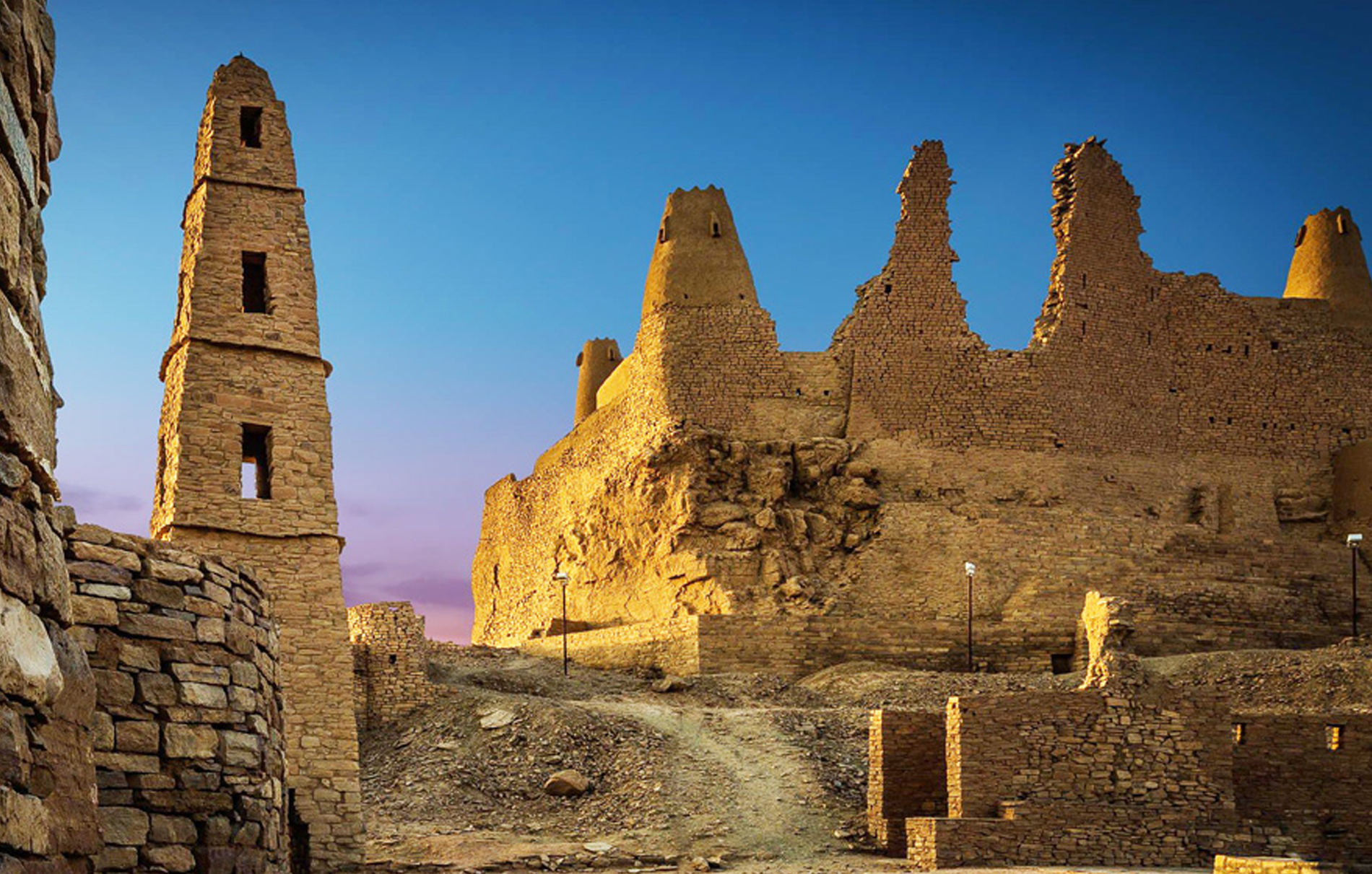
Qasr Marid
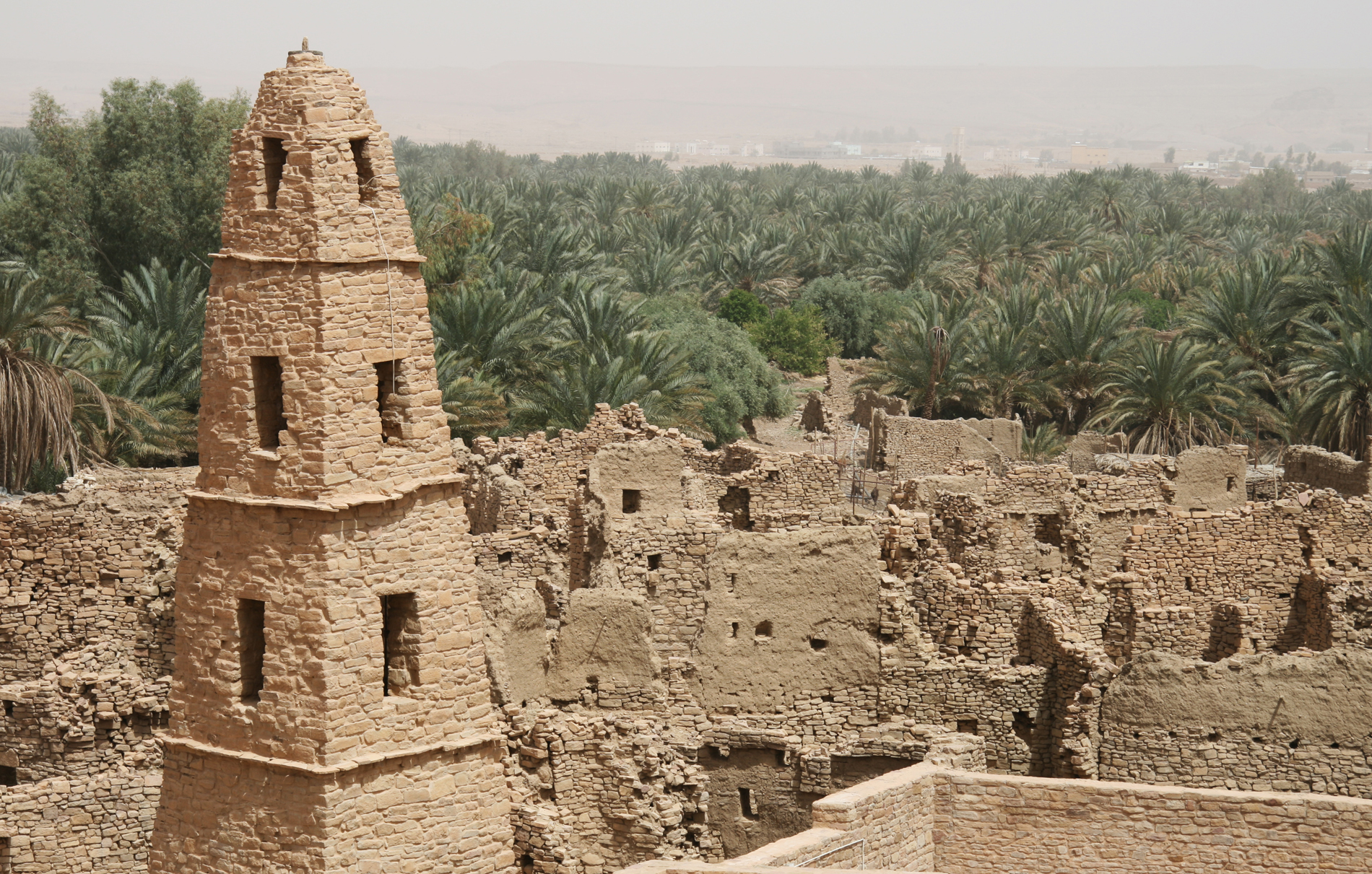
Ulmar Mosque
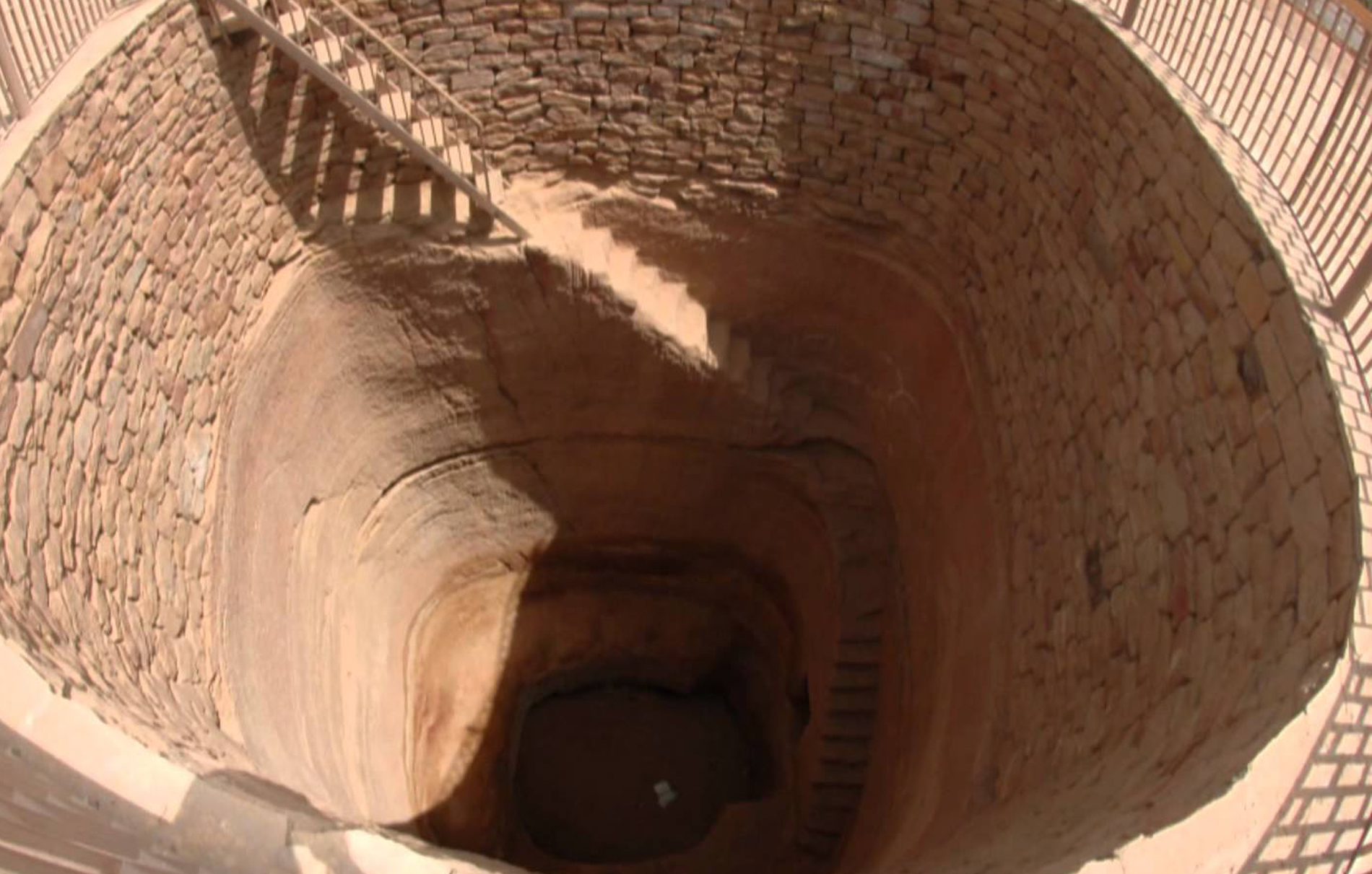
Bir’ Saisara
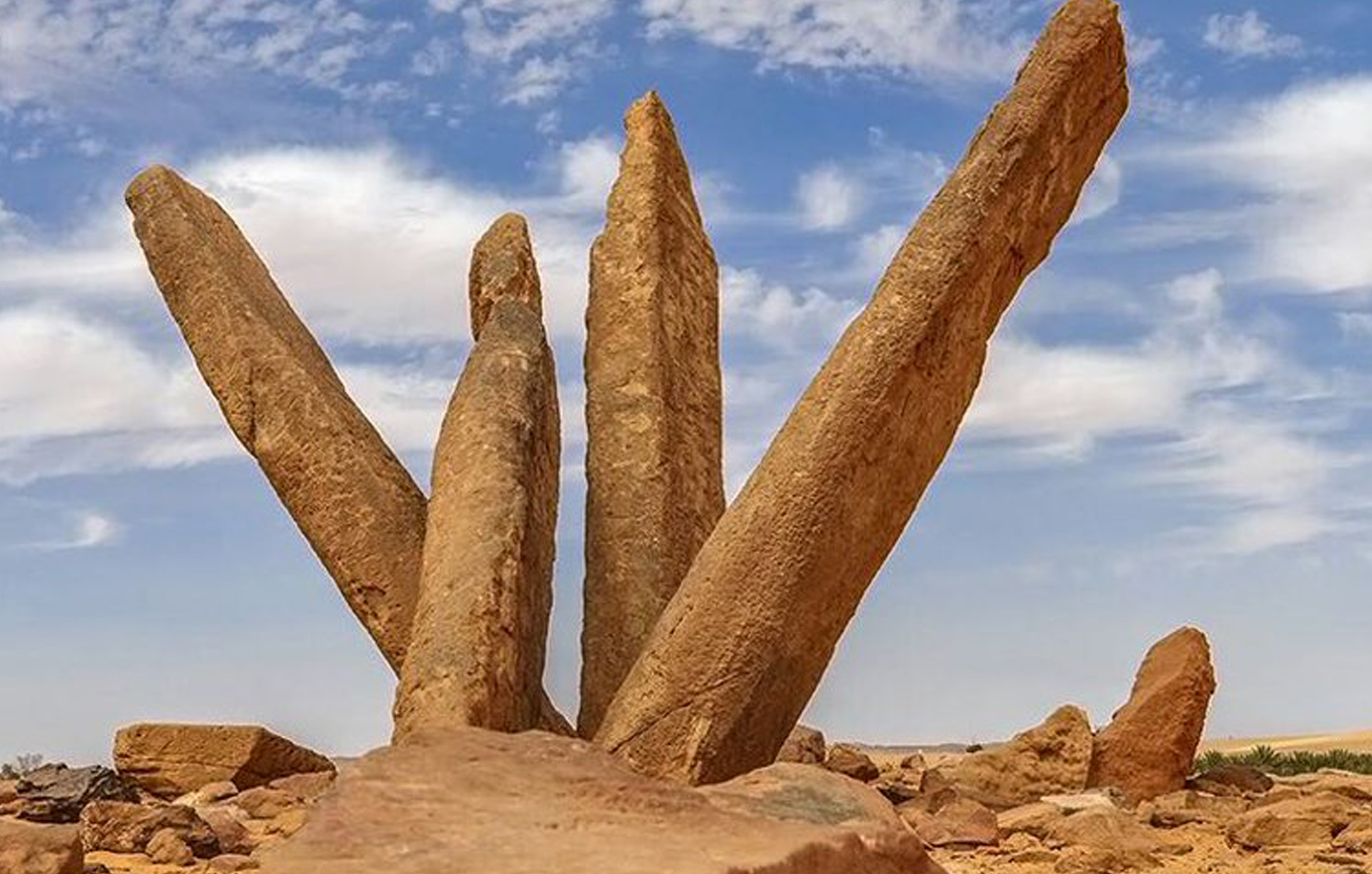
Al – Rajaljil